
How Muslim Casket Services in Singapore Work
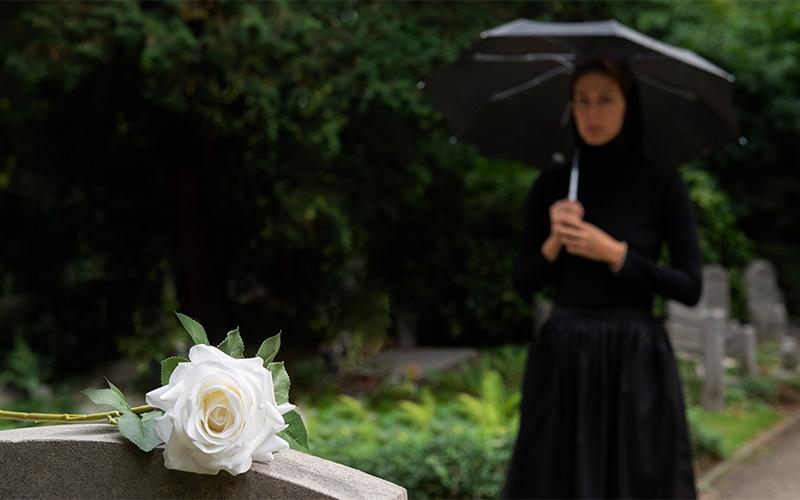
When a Muslim passes away, the farewell is not only solemn but deeply rooted in faith and duty. Families engaging in a Singapore Muslim casket service are entrusting their loved one’s final rites to a team that understands the religious significance of each step and handles it with great respect. From the moment of passing to the burial or repatriation services in Singapore, each stage follows guidelines in Islamic tradition, with reverence and care taking precedence above all.
In a multicultural society like Singapore, these services offer essential support for Muslim families navigating grief, bureaucracy, and religious observance all at once. Understanding how the process works provides clarity and comfort during what is, undeniably, a profoundly difficult time.
Immediate Steps After Passing
When death occurs, the first step is usually to obtain a Certificate of Cause of Death (CCOD), followed by registration of the death. For Muslims, time is a crucial element—Islamic practice encourages burial as soon as possible, preferably within 24 hours. Once formal documentation is completed, the funeral process moves swiftly into motion.
A Muslim casket service in Singapore takes over many logistical aspects from this point. The deceased is transported respectfully to a designated washing area, typically within a mosque or a facility suited for ghusl—the ritual washing. This is carried out by trained individuals of the same gender as the deceased, with modesty and dignity upheld while the body is washed, perfumed, and wrapped in simple white cloth (kafan) with no decorative elements, in line with Islamic teachings on humility in death.
This part of the process is emotionally charged but also spiritually grounding and families are welcome to observe or participate, as presence during ghusl is considered an act of great reward in Islam.
The Funeral Prayer and Burial
Once ghusl and kafan are completed, the body is transported to a mosque for the Salat al-Janazah, the funeral prayer which is a collective obligation for Muslims and is typically performed in congregation, seeking forgiveness and mercy for the deceased which is brief but weighty with intention and reflection.
After the prayer, the body is conveyed to the Muslim cemetery for burial and in Singapore, this typically means Pusara Aman or Pusara Abidi. The grave is prepared to face the qiblah—the direction of Mecca—and the body is gently laid on its right side. The burial process is conducted swiftly and in silence, allowing family and mourners a final moment of prayer and contemplation.
A Singapore Muslim casket provider ensures all these elements are in place, coordinating with mosque officials, cemetery staff, and government departments to streamline the process — this allows families to focus on mourning and prayer rather than navigating paperwork or transport arrangements.
The simplicity of the burial aligns with the Islamic view that, in death, all return to Allah equally without grandeur or display. The emphasis lies in prayers, remembrance, and the acts of the living on behalf of the departed.
Repatriation and Cross-Border Arrangements
In cases where the deceased must be returned to a home country, repatriation services in Singapore step in to manage a far more complex process. This includes securing the necessary legal documents, liaising with embassies, preparing the body in accordance with both Islamic and international standards, and arranging transportation via air or land.
Muslim repatriation is particularly sensitive. While international regulations may require embalming, this conflicts with Islamic principles unless necessary. A qualified service provider will aim to avoid this through special arrangements, always consulting with the family and religious authorities.
Flight booking, coordination with receiving funeral homes overseas, and customs clearance are all part of this service. Given the time-sensitive nature of Islamic burial, such services operate with considerable urgency while maintaining religious integrity.
Families who must send their loved one to Malaysia, Indonesia, or further abroad find reassurance in having these logistics handled by professionals familiar with both the emotional and procedural weight of the task. The goal is to ensure the deceased returns to their place of rest swiftly, respectfully, and by their faith.
A Muslim funeral in Singapore is a delicate blend of spiritual duty, cultural understanding, and administrative necessity. From ghusl to grave, and from paperwork to prayer, each stage reflects the values of humility, compassion, and surrender to divine will. The role of a casket service goes far beyond logistics—it is an act of care and service to the living and the departed. At a time when clarity and calm are needed most, having guidance from those who understand the faith and the system offers immeasurable comfort.
If you require assistance with Muslim casket arrangements or international repatriation, contact Jasa Budi Muslim Casket Services today for professional support grounded in dignity and Islamic values.