Beyond the Punch Clock: Embracing Modern Time Tracking for Small Businesses
Time-tracking systems have come a long way from punch clocks and time cards. They are far more efficient for today’s businesses. For instance, I remember my earliest part-time job at a local diner. We had to use an old-fashioned punch clock to clock in and out, like the famous picture of 74-year-old Thomas Edison standing by one. As much as everyone complained about the machine, there was something oddly satisfying about hearing it “ding.” It dictated the pace of the business with its unique-style soundtrack that provided sentencing until the next redemption.
Why Time Tracking Matters
Tracking time is not like the old-fashioned method of punch clocks from way back when. Retrospective benefits aside, accurate time tracking provides insight into small business operations. Regardless of whether it’s a freelance design studio or a café, ensuring all hours are tracked guarantees fairness and compliance while protecting profit margins. Here’s a list of impactful reasons why tracking hours is mandatory:
- Compliance with Labor Laws: The Fair Labor Standards Act (FLSA) outlines clear overtime pay guidelines for non-exempt employees. Without records, businesses risk fines and penalties for accounting violations.
- Accurate Payroll Calculations: Paying too much or too little due to clerical errors leads to loss of employee confidence and workplace morale. There are multiple instances where employers have owed employees due payments resulting from clerical errors, not neglected tracking.
- Charging Clients Appropriately: Various service industries employ consultants or lawyers who maintain accurate logs to charge clients appropriately. Everyone deserves to receive the full value of their expenses without unjust charges.
- Gaining Insight on Productivity: Time tracking for employees allows identifying areas perceived to be wasted during business hours, prompting corrections in workflows. For example, my friend who recently started landscaping discovered most of his staff were preoccupied with administrative work, providing no real value, driving the need to shift to streamlined processes.
Making the Leap to Digital Tools
The days of manually punching in and out using a time clock are long gone. Small businesses, especially those with remote or field workers, now have access to modern, flexible, and affordable technologies that support their requirements. Back when I started freelancing as a writer, keeping track of my time on different projects was rather complicated. That’s when I decided to make the leap to digital, and everything changed for the better.
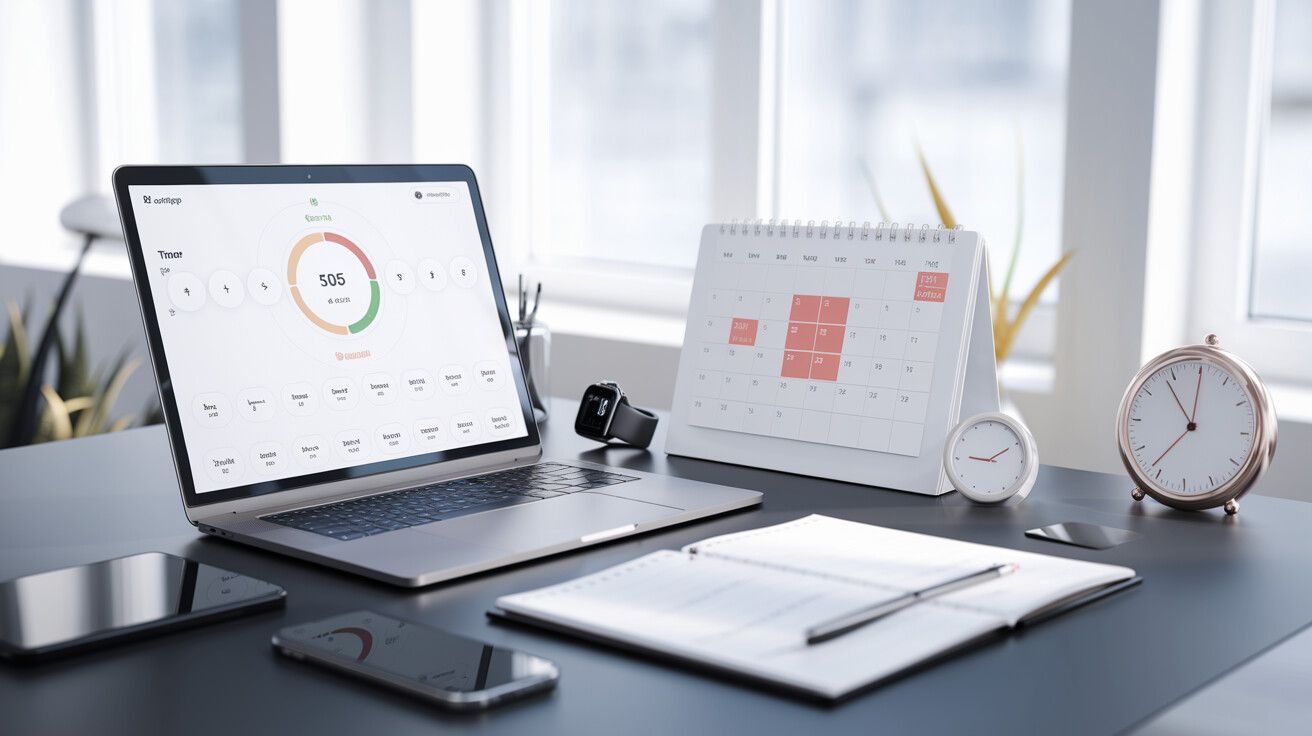
A great example is the Controlio tool, which makes tracking work hours much easier through its task monitoring and productivity assessment features. Its cloud systems are a big differentiator compared to legacy systems, since data can be accessed from anywhere, making it much simpler to oversee a distant team or mobile employees.
Other solutions include
- GPS Mobile Apps: Perfect for delivery services or construction companies, these apps provide accountability by ensuring employees check in at designated locations at certain times.
- Biometric Systems: These systems add facial and fingerprint recognition aimed specifically at attending users, offering advanced security for onsite workforce hacks without needing expensive old-version systems.
- Project-Based Time Tracking: With tools such as Toggl or Timeneye, you can break down hours spent on each project, which truly helps multitasking between different clients, as I did.
Overcoming Remote Work Hurdles
The pandemic transformed the way we work, with employees now working from home or in hybrid schedules. While this change made tracking employee hours more difficult, it also increased its importance. I remember a colleague who led a remote team of graphic designers. Without a method to track work periods, she had no insight into when people were working, and as a result, deadlines were missed. Integrating a digital tracking tool solved her problems and improved accountability within the team.
Remote-friendly software allows for
- Real-time monitoring to see who’s active.
- Watching via websites and apps for productivity (note: not intrusively).
- Syncing with payroll systems for seamless automation.
These are cost-effective tools that even small businesses can afford, whether you own a bakery or run a tech startup.
Staying Compliant with Biometric Data
Biometric time clocks are extraordinary innovations, but they come with burdens. States like Illinois and New York have laws concerning the collection of biometric data, including fingerprints or facial scans. Such data cannot be used for other purposes (e.g., selling it). I learned this when a friend’s retail store was fined for failing to adequately inform workers about biometric data collection and disclosure. To stay compliant:
- Display clear notices regarding the collection of sensitive data.
- Employ secure systems that encrypt classified information and apply adequate safeguarding measures.
- Avoid legal headaches by staying informed about local privacy regulations.
Final Note: Embrace the Future but Keep It Simple
Small businesses today have sleek digital systems that meet their requirements—timekeeping has shifted from Edison’s era punch clocks to modernized forms of tracking time and productivity. Business owners no longer have to worry about compliance with the Fair Labor Standards Act (FLSA), paying on time, or even productivity, as the Controlio tool helps monitor everything seamlessly. Seeing how fast and stress-free my manual timecard processes were automatically streamlined encouraged me to embrace modern approaches wholeheartedly—and so should you! Focus on what truly matters now—your business growth instead of outdated methods.