Screen printing is an essential method used in many bulk printing processes. It gained popularity in the 18th century when silk mesh, a key component, became easier to import from the East. By the 19th century, screen printing was widely used in advertising and later became popular in industries such as retail and electronics, offering the advantage of easy customization.
While screen printing can be done manually for small print runs, it is typically automated today. Using advanced materials, inks, and computer technology, it is a common method for mass printing. One of the main benefits of screen printing is its ability to print on nearly any surface, including fabric, paper, glass, wood, plastic, and leather. This article explores the screen printing process, its types, uses, and benefits.
What is Screen Printing?
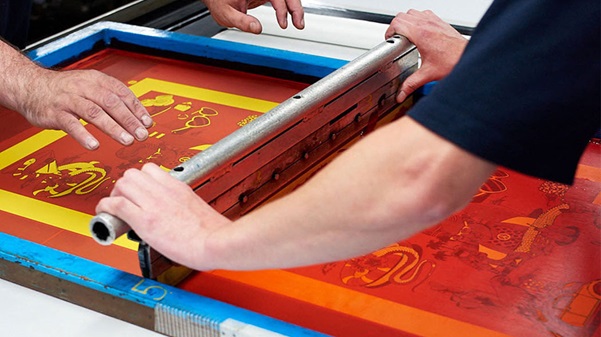
Screen printing, also called silk screening, is the method of transferring a design onto a surface using a mesh screen, ink, and a rubber blade (squeegee). The process involves creating a stencil on the mesh screen and pushing ink through it to imprint the design onto a surface. Common surfaces used in screen printing are paper and fabric, though metal, wood, and plastic can also be printed on. It is a popular technique for several reasons, with one of the main attractions being the wide variety of colors that can be used.
How Does Screen Printing Work?
Screen printing can be done manually or with a machine, but the basic process remains the same. The differences lie in the type of ink used, the effects created, and the printed surface. Here is a step-by-step breakdown of the screen printing process:
Step 1: Design Creation
The first step is to create the design. Once the design is finalized, it is printed onto a transparent acetate film, which is used to create the stencil.
Step 2: Selecting and Preparing the Screen
After the design is ready, the screen and mesh count are chosen. Mesh count refers to the number of fibers in one square inch of mesh, which affects the print quality:
- A higher mesh count allows for finer details while maintaining a good layer of ink.
- A lower mesh count allows more ink to pass through due to wider openings.
Once the mesh is chosen, it is coated with a light-sensitive emulsion layer.
There are three main types of emulsion:
- Diazo: Less expensive, takes longer to expose, and is not suitable for fine details.
- SBQ-based: Cures very quickly, but is more expensive and ideal for detailed prints.
- Dual-cure emulsions: A mix of Diazo and SBQ, requires mixing, and has a quicker exposure time than Diazo but is cheaper than SBQ.
Step 3: Exposing the Emulsion
The acetate film is placed on the emulsion-coated screen under a bright light, which hardens the emulsion. The design areas will remain soft and can be washed away. If multiple colors are involved, separate screens are used for each color.
Step 4: Stencil Creation
The exposed screen is washed, leaving behind the hardened emulsion areas that form the stencil. The screen is then dried, and any necessary touch-ups are made to ensure the design is as accurate as possible.
Step 5: Preparing for Print
The material to be printed is laid flat on the printing board, and the screen is positioned on top of it, ready for the design to be printed.
Step 6: Applying the Design
At this stage, the design is printed. The screen is lowered onto the material, and ink is applied to the top of the screen. The squeegee is used to spread the ink evenly, allowing it to pass through the stencil and imprint the design onto the material. Once the design is printed, the screen is cleaned for reuse.
Step 7: Heat Curing and Finishing
Finally, the printed material is heat-cured to set the design, preventing it from fading or washing away.
6 Main Types of Screen Printing
There are six primary screen printing techniques, each providing different results. Understanding these methods can help you choose the right one for your project:
- Spot Colour Screen Printing:
This common method uses solid colors for vibrant designs. It’s simple to use and works well for printing on items like t-shirts and jackets. - Halftone Printing:
This method prints gradients using one color of ink. The ink is halftoned to create different shades, mimicking the look of a multi-color print without using multiple colors. - Grayscale Printing:
Grayscale printing uses halftones in shades of gray, often for black-and-white designs. It’s a cost-effective option for printing detailed images. - Duotone Printing:
Duotone printing involves two halftones in different colors to create a sophisticated, artsy effect. It’s similar to sepia-toned photography and is used for more creative designs. - CMYK (4-Color Printing):
This complex method uses four colors—cyan, magenta, yellow, and black—to produce a full range of colors. It’s often automated for the best results. - Simulated Process Printing:
Combining the four-color process with spot colors, this technique can produce photorealistic designs, making it suitable for both light and dark fabrics.
Benefits of Screen Printing
Screen printing offers several advantages, making it a popular choice for many types of printing projects. Some key benefits include:
- Versatility:
Screen printing can be used on a variety of materials, including fabric, plastic, wood, glass, and metal, allowing for creative design flexibility. - Durability:
This method produces durable designs, especially when heavy ink coverage and protective coatings are used to make them resistant to UV rays, moisture, and chemicals. - Vibrancy of Ink Colors:
The bold, vibrant colors achieved through screen printing are hard to match with other printing methods, making it ideal for designs that require bright, solid colors. - Cost-Effective:
While there may be some setup costs, screen printing becomes more cost-effective at higher production volumes, as the unit price decreases with larger quantities. - Speed and Efficiency:
Once a screen is set up, screen printing is quick and efficient, making it great for printing large quantities of the same design. - Straightforward Process:
The process is relatively simple, whether done manually or with machines. The required equipment is also affordable and easy to maintain.
Screen Printing Applications
Screen printing is highly versatile, making it suitable for a wide range of applications, including:
- Clothing designs
- Medical devices
- Stickers and decals
- Balloons
- Product labels
- Signage
- Displays
- Merchandise
- Fabric designs
- Sports products