
How High Performance Rotary Airlock Valves Prevent Air Leakage in Bulk Systems
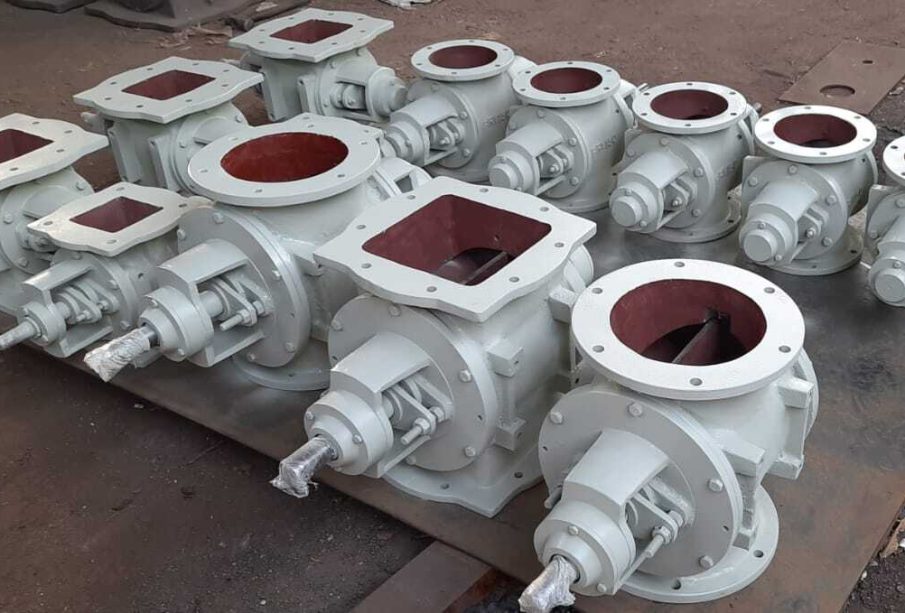
Bulk handling systems rely on steady particle movement through enclosed chambers. Small gaps can allow air movement that disturbs material transfer. Rotary airlocks valves help maintain separation between two sections during powder transfer. Careful mechanical balance protects process stability while reducing unwanted airflow movement. Proper internal alignment helps equipment operate smoothly across long cycles while protecting bulk operations using a rotary airlock valve.
Rotor Housing Alignment Control
Correct rotor housing alignment helps maintain balanced rotation within enclosed transfer areas. Stable alignment protects equipment surfaces while guiding powder movement smoothly between connected chambers.
- Balanced rotor position maintains smooth particle transfer through controlled internal chamber paths
- Proper housing spacing supports sealed rotation without airflow disturbance inside the system
- Accurate mechanical fitting protects chamber edges from unnecessary friction damage
- Stable alignment supports steady bulk movement during long operational cycles
- Reliable internal balance reduces airflow escape through narrow equipment openings
Sealing Accuracy Inside Chambers
Reliable sealing inside chambers supports steady particle transfer while limiting unwanted airflow paths. Internal rotor movement works closely with housing surfaces, so materials pass forward while air movement stays controlled. Proper spacing also protects system balance during long operating periods.
Chamber Clearance Management
Controlled chamber clearance supports efficient material passage while restricting airflow movement. Minimal spacing between rotating components allows powders to pass without creating large air gaps. This structure helps valves maintain process separation between connected equipment areas.
Internal Component Motion Balance
Balanced internal motion keeps rotation steady throughout continuous material transfer. Smooth rotation prevents sudden vibration that could disturb chamber sealing surfaces. Properly balanced valves support long equipment life while maintaining reliable powder passage across connected systems.
- Smooth rotor motion supports steady transfer without sudden vibration disturbance
- Balanced mechanical rotation protects internal chamber surfaces from wear buildup
- Controlled movement helps powder pass evenly through each rotating section
- Stable rotation reduces unwanted airflow movement through internal equipment gaps
- Efficient motion balance improves overall reliability across bulk handling systems
Air Barrier Stability Design
Air barrier stability plays a major role in protecting sealed transfer zones inside bulk equipment. Carefully shaped chamber paths guide materials forward while limiting airflow movement between sections. This controlled separation allows valves to maintain consistent process conditions. Stable air barriers protect surrounding systems while ensuring powders travel safely through enclosed transfer passages using a rotary airlock valve.
Stable powder transfer depends on proper chamber sealing, balanced rotation, and controlled airflow separation. Equipment designed with accurate spacing and steady mechanical motion protects handling systems from leakage problems. When internal alignment remains stable, bulk operations continue without disturbance while powder movement stays controlled.
FAQ
Why do bulk handling systems require strong chamber sealing during powder transfer?
Strong sealing limits airflow movement while supporting steady particle passage inside equipment.
How does rotor alignment support stable powder movement within enclosed transfer systems?
Accurate alignment guides balanced rotation, which helps maintain controlled internal material flow.
What benefit comes from controlled chamber clearance in powder transfer equipment?
Proper spacing restricts airflow leakage while allowing smooth powder movement through chambers.