Audience Surveys: Five Questions to Choose Your Next Content Topic

“Cash flow”, “hiring” and “growth” all sound like sensible content topics. None tells you what a reader needs help doing. Short audience surveys can uncover the task, obstacle or unanswered question behind a broad request, giving a small business a firmer starting point for its next article or workshop.
Choose the decision and the respondents
Choose one decision before writing questions: which problem should the next newsletter help readers solve? Define the intended reader just as clearly. Advice for a first-time employer will differ from guidance for an experienced HR manager.
For a business owner considering a specialist book, those findings can clarify the intended reader and inform indie author marketing before production and promotion spending begins.
Invite people who fit that audience, rather than only your most vocal followers. Include prospects if the content is intended to reach them, and distinguish their responses from existing customers’ answers.
Ask five focused questions
Use the relevant task in place of the bracketed text, and keep each question focused on one thing.
1. Which best describes your role? Offer relevant options and “Other”. This lets you separate, for example, owners doing their own bookkeeping from finance staff, without collecting unnecessary personal details.
2. What, if anything, was difficult about [task] the last time you did it? Recent experience gives respondents something concrete to describe. “If anything” leaves room for the task to have gone smoothly.
3. What, if anything, did you try to resolve that difficulty? Skip this if none was reported. Answers show which suggestions might merely repeat advice readers have already tried.
4. What information, if any, was still missing? Look for absent examples, unclear instructions or unexplained terms. These can provide the substance of the next resource.
5. What decision do you need to make next? This identifies what the content should help someone decide, rather than simply which subject they find interesting.
Test the wording with someone from the intended audience before distributing it. Ask them to flag anything confusing or difficult to answer. Check that any response options cover likely situations without forcing respondents into an inaccurate category.
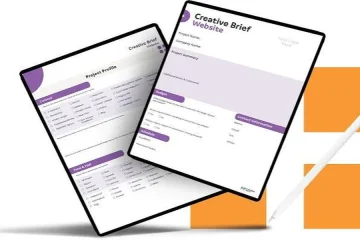
Turn the answers into a content brief
Group responses by the problem described, not just repeated words. If answers conflict, check whether they come from different roles or experience levels. A beginner’s request for definitions need not compete with an experienced reader’s need for a comparison tool.
Consider a hypothetical bookkeeping firm whose respondents describe chasing overdue invoices. They have tried reminder emails but remain unsure when to escalate. Instead of another general cash-flow article, the firm could prepare a guide to choosing the next step after a reminder goes unanswered, with a decision checklist.
Report how many respondents mentioned each issue, alongside the total who answered that question. A voluntary survey may overrepresent particularly engaged or dissatisfied people; it does not establish what the whole market wants or whether readers will pay.
Choose one recurring problem your business can explain credibly. Compare it with recent enquiries, then produce a focused resource that addresses the missing information. Review the follow-up questions it generates: they can reveal where readers still need a clearer explanation or a worked example.