
What to Include in a Website Design Brief
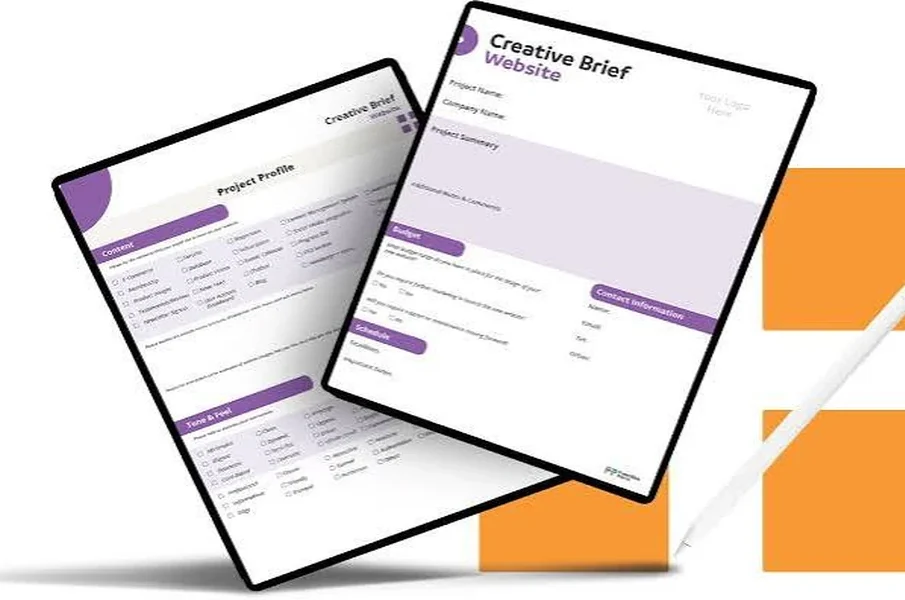
Starting a website design project can feel overwhelming, especially when there are many ideas, opinions, and business priorities to consider. A clear website design brief helps turn those ideas into a focused plan.
It gives your design team the information they need to understand your business, audience, goals, and expectations. It also helps reduce delays and makes sure everyone involved in the project is working towards the same outcome.
Explain Your Business Clearly
The first part of a good brief should introduce your business. Describe what you do, the services or products you offer, and what makes your company different from competitors.
Avoid assuming that the agency already understands your industry. Simple details can be valuable, particularly when they explain why customers choose you.
You may want to include:
- A short overview of the business
- Your main services or products
- Your target locations or service areas
- Your ideal customers
- Your key selling points
- Your current marketing activity
This background helps the design team create a website that reflects your actual business rather than a generic version of it.
Set Clear Goals for the Website
A website can serve several purposes, but it is useful to identify the most important one. Your goal may be to generate enquiries, sell products, secure bookings, build an email list, or provide information to existing customers.
For example, a plumbing company may want visitors to call for urgent work or request a quote. A salon may need an online booking system. A business-to-business consultancy may want to encourage visitors to arrange an introductory meeting.
Be specific about what success would look like. This will influence how the homepage is structured, which features are required, and where calls to action should appear.
Describe Your Target Audience
Your website should be designed for your customers, not only for your business. Think about the people you want to reach and what they need when they visit your site.
Consider their likely questions. Are they comparing prices, looking for examples of previous work, checking whether you cover their area, or trying to make a quick booking? The design and content should help them find those answers easily.
You could include information about:
- Typical customer age groups or business types
- Their needs or problems
- How familiar they are with your services
- Whether they are likely to use a phone or desktop computer
- What may stop them from making an enquiry
Understanding the audience helps create a more useful and persuasive website.
Share Your Brand Style
Your brand is more than a logo. It includes the tone, colours, images, and overall feeling you want customers to associate with your business.
If you have brand guidelines, logos, colour palettes, or previous marketing materials, share them at the beginning of the project. If you do not have formal brand guidelines, provide examples of designs you like and explain what appeals to you.
For instance, you may want the site to feel modern, trustworthy, premium, friendly, creative, or practical. Examples can help, but it is also important to explain why you like them. A designer can then use the underlying ideas without copying another business’s website.
List Required Pages and Features
Make a list of the pages you expect the website to include. This does not need to be final, but it gives the project a useful starting point.
Common pages include:
- Home
- About
- Services
- Product pages
- Case studies or portfolio
- Testimonials
- Blog or resources
- Contact
You should also list features that are essential for the business, such as e-commerce, online bookings, enquiry forms, location maps, customer logins, downloadable documents, or email newsletter sign-up forms.
The more clearly you explain your priorities, the easier it is to plan a realistic budget and timeline.
Provide Content and Photography Early
Website projects often slow down because content and images are not ready. Decide early who will write the text, supply photographs, and approve the final pages.
Original photographs of your team, premises, products, or completed work can make a website feel more authentic. If professional photography is needed, include it in the project plan rather than leaving it until the last stage.
Content should explain your services in a clear, customer-focused way. Avoid filling pages with technical language or broad claims that do not tell visitors what makes the business useful.
Choose a Collaborative Design Partner
A good website project should involve discussion, feedback, and clear communication. Working with a web design agency Manchester can help businesses translate their ideas into a practical website that meets customer needs.
When choosing an agency, look for a team that asks thoughtful questions, explains its process clearly, and gives realistic guidance about what is possible within your budget and timeframe.
The strongest results usually come from a partnership where both the business and the design team contribute to the planning process.
FAQ
Why do I need a website design brief?
A brief helps the design team understand your business, audience, goals, and requirements. It keeps the project focused and reduces misunderstandings.
Do I need to know exactly what my website should look like?
No. It is helpful to share ideas and examples, but a good design team can guide you through the process and recommend suitable options.
What content should I prepare before starting?
Prepare a business overview, service information, contact details, branding materials, photos, testimonials, and any existing content that may be reused or updated.
Can I add new features during the project?
It may be possible, but new features can affect the budget and timeline. Discuss any changes with the design team as early as possible.
Conclusion
A well-prepared website design brief gives your project a stronger foundation. By explaining your business, setting clear goals, understanding your audience, and identifying the features you need, you can help create a website that looks professional and supports real business growth.