
A Complete Guide to International Standards for Transporting Electric Vehicle Batteries
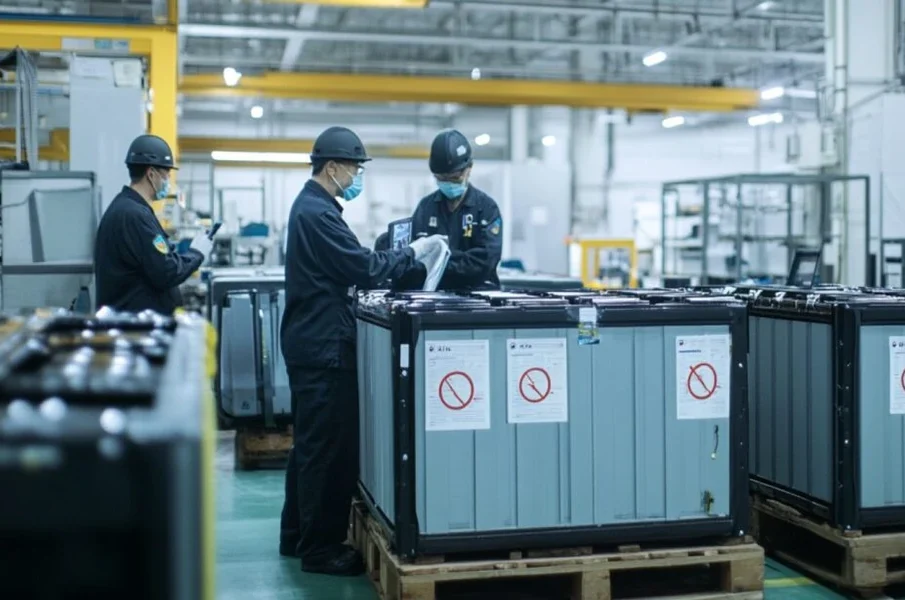
The booming global EV market has completely revolutionized the global supply chain, making battery producers and vehicle exporters logistical challenges. Energy-dense power packs have to be handled in compliance with international dangerous goods frameworks to ensure the integrity of the cargo, reduce thermal risks, and avoid serious customs delays.
Meeting compliance obligations in the context of un3556 shipping requires a thorough understanding of the rules applicable to each mode, correct hazard identification, and adequate technical documentation. Today’s rules for freight play an important role in fire safety by establishing the classification, packing, and certification of lithium-ion vehicles and batteries for use in global air, sea, and land transport.
New Classifications and Regulations
International transport authorities have amended the dangerous goods regulations, which include generic coding of vehicles used with batteries. There is a special set of regulations for transportation of lithium-ion batteries that are fitted in vehicles. Some of the regulations for this include IATA Dangerous Goods Regulations (67th edition) and the IMDG Code amendment 42-24.2-24.
| Transport Mode | Regulatory Framework | Key Compliance Mandate | Primary Documentation |
|---|---|---|---|
| Air Freight | IATA DGR 67th Edition | Mandatory ≤30% State of Charge (SoC) | Shipper’s Declaration, UN 38.3 Summary |
| Ocean Freight | IMDG Code Amdt 42-24 | Special Provisions 961/962 compliance | Multimodal Dangerous Goods Form |
| Road & Rail | ADR / RID Frameworks | Packaging Instruction P912 criteria | Standard Transport Document & SDS |
These differences help to avoid possible misclassifications while cargo is being handled on the ground or for purposes of emergency response and ensure ground handling staff and emergency responders can readily determine the exact chemical profile of the cargo.
Mandatory Charge Limits in Air Freight
The availability of e-mobility shipments in air transport has tight operational limits. AIR TRANSPORT shall allow vehicles with lithium-ion batteries greater than 100 watt-hours (Wh) to be offered for air transport at a State of Charge (SoC) not more than 30%.
- The shippers need to use calibrated monitoring tools to test and verify the charge level before tendering.
- Lower energy levels mean a lower potential for thermal runaway inside pressurized aircraft cargo holds.
- If a shipment is required to be shipped at a higher charge level for technical reasons, the required approvals must be given formally under Special Provision A331.
Not complying with state of charge rules can result in instant rejection by the terminal, discharge services, and costly cargo grounding.
Essential Documentation and Testing
Each commercial transaction of an electric vehicle battery subject to un3556 shipping rules should have verified documentation confirming safety. These records are inspected by customs officials and freight companies prior to clearance.
- Signed and certified by the manufacturer: Demonstrates compliance with rigorous testing for altitude, thermal, vibration, and short-circuit.
- Safety Data Sheet (SDS): A comprehensive document that provides information on chemical properties, fire suppression techniques, and emergency response measures.
- Embedded QR codes: On the outer packaging and transport papers, an electronic connection between test summaries and compliance declarations is promoted in accordance with modern logistics standards.
These verified reports from battery manufacturers will help to avoid administrative holds at major transit hubs.
Packaging and Labeling Standards
Good packaging serves as the first line of defense against physical damage during transit and against thermal damage. Vehicles and heavy battery packs are packed according to Packing Instruction P912.
- Class 9 Hazard Label: The new Class 9 Hazard Label includes the battery cluster graphic and UN identification numbers.
- Short-circuit prevention: Terminals should be insulated, and all accidental activation mechanisms should be completely separate when moving.
- 24/7 Emergency Response: Outside, the monitored emergency phone number should be displayed during the transit window, 24 hours a day.
By following these structural guidelines, it ensures that the shipping operations remain compliant both internationally and across ocean freight lanes, ensuring that all operations run smoothly.
Operational Excellence in E-Mobility Logistics
Global supply chain operations need to be constantly aligned to meet changing dangerous goods requirements. Incorporating the strictest charge verification, harmonised hazard labelling and accurate digital documentation will help vehicle manufacturers easily deal with regulatory change across borders. Proactive compliance will save precious inventory, prevent costly rejections at the airport, and foster lasting trust in international trade partners.