
Why Reliable Detector Testing Matters for Fire Safety Compliance
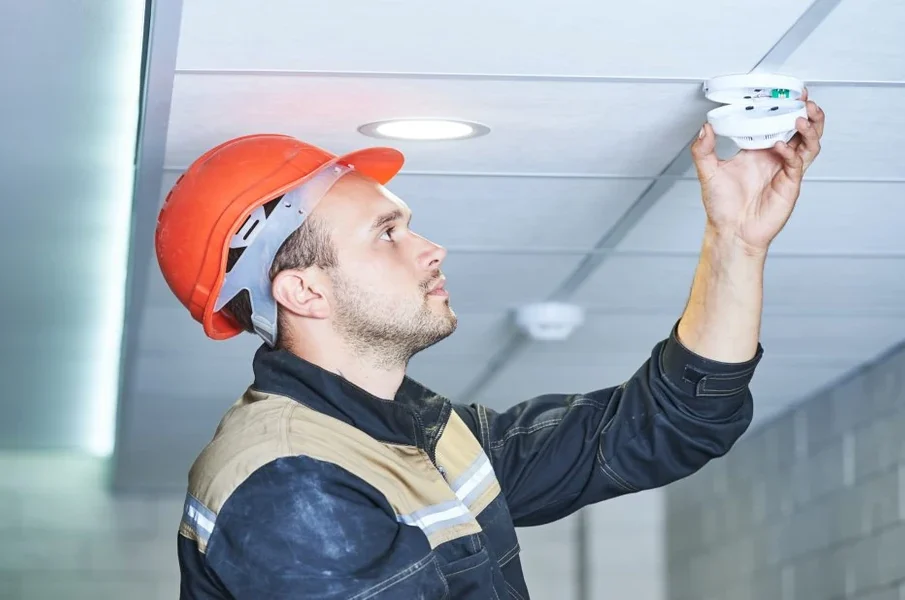
Fire detection systems are a vital part of building safety. Whether installed in offices, schools, hospitals, warehouses, retail spaces or residential blocks, detectors are designed to provide early warning when smoke, heat or carbon monoxide is present. However, a detector can only protect people and property if it is working correctly.
This is why regular testing is so important. Professional tools from Detector Testers help engineers and facilities teams check that fire detection devices respond as expected, supporting safer buildings, better maintenance records and stronger compliance practices.
The Role of Detector Testing in Fire Safety
Confirming That Detectors Work Properly
A fire alarm system may appear functional from the control panel, but that does not always confirm that each detector can sense the hazard it is designed to detect. Smoke detectors, heat detectors and multi-sensor devices need practical testing to confirm their response.
Detector testing helps identify faulty, contaminated, incorrectly positioned or underperforming devices before they become a serious risk.
Supporting Preventative Maintenance
Testing is not only about finding faults. It is also part of a preventative maintenance approach. Regular checks help building managers understand the condition of their fire detection system and plan servicing before small issues develop into larger problems.
This can reduce unexpected failures and improve confidence in the overall safety system.
Why Proper Testing Equipment Matters
Safe Access to Detectors
Many detectors are installed on ceilings, in corridors, stairwells or large open spaces. Reaching them safely can be challenging without the right equipment. Purpose built detector testing tools allow engineers to test devices efficiently while reducing unnecessary risk.
Using specialist equipment can also reduce the need for ladders or access platforms in many situations, depending on the building layout and detector height.
More Accurate Test Results
A proper detector tester is designed to apply the right type of stimulus to the detector, such as smoke, heat or carbon monoxide. This helps create a more realistic and controlled test than unreliable manual methods.
Accurate testing supports better reporting and gives responsible persons clearer evidence that the system has been checked correctly.
Reducing Disruption During Maintenance
In busy buildings, fire system maintenance needs to be completed efficiently. Schools, offices, healthcare facilities and retail environments cannot afford unnecessary disruption.
Professional testing equipment helps engineers work methodically, test multiple devices and complete checks with minimal interruption to building occupants.
Common Types of Detector Testing
Smoke Detector Testing
Smoke detectors need to respond when smoke particles enter the sensing chamber. Smoke detector testing uses approved test products or equipment to check that the device reacts properly.
This is especially important in areas where dust, dirt or age could affect detector performance.
Heat Detector Testing
Heat detectors are commonly used in kitchens, plant rooms and areas where smoke detectors may cause false alarms. Heat testing checks whether the detector responds to a controlled rise in temperature.
Using suitable test equipment is important because excessive heat or unsuitable methods can damage the device.
Carbon Monoxide Detector Testing
Carbon monoxide detectors are designed to identify a dangerous gas that cannot be seen or smelt. Testing these devices helps confirm that they respond correctly and remain suitable for protecting occupants.
This is particularly important in buildings with fuel burning appliances, plant rooms or other potential carbon monoxide risks.
Benefits for Building Managers and Engineers
Improved Compliance Records
Fire safety responsibilities often require clear evidence that systems have been inspected, tested and maintained. Regular detector testing helps create reliable maintenance records that can support audits, inspections and internal safety reviews.
Good documentation also helps demonstrate that fire safety has been managed responsibly.
Better Occupant Safety
The main purpose of detector testing is simple. It helps ensure that people receive early warning in an emergency. A properly maintained detection system can give occupants more time to evacuate and help emergency procedures begin sooner.
This makes testing an essential part of a wider fire safety strategy.
Longer System Lifespan
Routine testing can help identify detectors that need cleaning, servicing or replacement. Addressing issues early can extend the useful life of the wider system and reduce the risk of costly faults.
For larger buildings, this can make maintenance more predictable and cost effective.
Practical Example: Testing in a Commercial Building
Why Routine Checks Make a Difference
Consider a multi-storey office building with detectors installed across meeting rooms, corridors, kitchens and storage areas. If some detectors are blocked by dust or failing to respond correctly, the issue may not be obvious during everyday use.
A planned testing programme allows engineers to check each device, record the results and arrange corrective action where needed. This helps protect staff, visitors and the business itself.
FAQ
Why do fire detectors need regular testing?
Fire detectors need regular testing to confirm they respond correctly to smoke, heat or carbon monoxide. Without testing, faults may go unnoticed until an emergency occurs.
Can a fire alarm panel show whether detectors are working?
A panel can show certain faults and system conditions, but it does not always prove that each detector can sense the hazard it is designed for. Practical detector testing provides a more complete check.
What types of detectors should be tested?
Smoke detectors, heat detectors, carbon monoxide detectors and multi-sensor devices should all be tested according to the system design, manufacturer guidance and relevant maintenance requirements.
Who should carry out detector testing?
Detector testing should usually be carried out by trained engineers or competent personnel who understand the system, the equipment and the correct testing procedures.
Does detector testing reduce false alarms?
Regular testing and maintenance can help identify contaminated, poorly positioned or faulty detectors that may contribute to false alarms. This supports a more reliable fire detection system.
Conclusion
Reliable detector testing is an essential part of fire safety maintenance. It helps confirm that detectors respond correctly, supports compliance records and gives building managers greater confidence in their fire detection systems.
With the right testing equipment and a planned maintenance approach, engineers can carry out checks safely, accurately and efficiently. For any building where fire safety matters, regular detector testing is not just a routine task. It is a key step in protecting people, property and business continuity.