
Ceiling Leakage Repair for HDB Bathrooms and Kitchens in Singapore
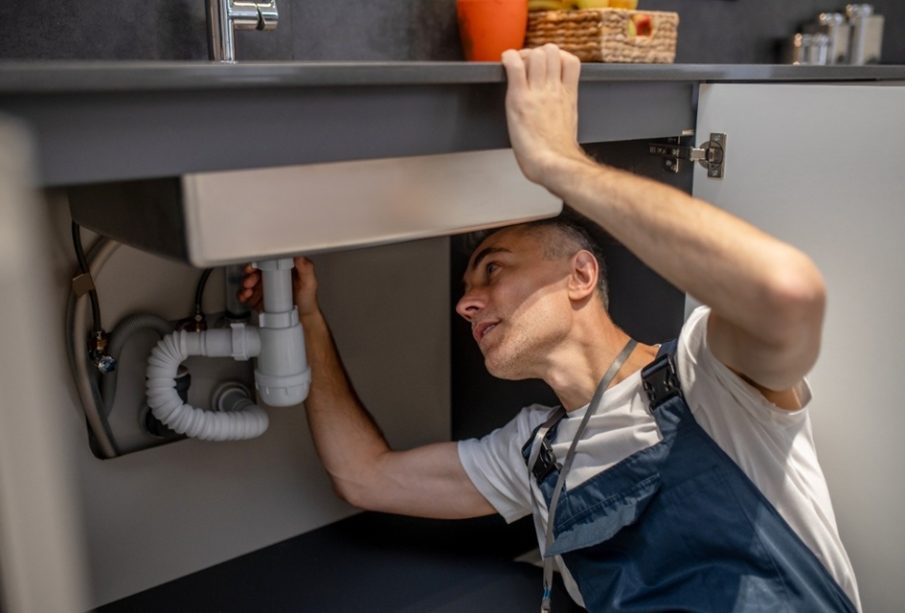
Ceiling leakage repair in HDB flats most often traces back to a bathroom or kitchen directly above. Singapore’s high-density housing stacks wet zones vertically, and when waterproof membranes fail in the unit above, the floor below the affected bathroom or kitchen becomes a slow conduit for water. The ceiling in the unit beneath is where that water eventually announces itself. By the time a stain or bubble appears, the entry has usually been active for some time.
Why HDB Wet Zones Leak Downward
Every bathroom and kitchen floor in an HDB flat sits above a concrete slab with a waterproof membrane applied to it. That membrane resists the daily intrusion of shower water, mopped floors, and cooking area splashes. Over time, the membrane degrades. Grout between tiles cracks with the constant thermal cycling of hot and cold water. Movement in the building structure opens hairline gaps where the tiles meet the wall. At each of these points, water finds its way through.
What makes HDB leaks particularly difficult for the occupant above to notice is that the membrane failure often happens beneath tiles that appear completely intact. The floor looks fine. The water is passing silently through microscopic breaches. The first person to know something has gone wrong is frequently the neighbour below, who sees a spreading stain on their ceiling.
Ceiling leakage repair that addresses HDB wet zone leaks requires gaining access to the source of the problem, the floor above, not just treating the stained ceiling below.
Navigating the HDB Repair Process
HDB’s guidelines establish clear responsibilities for water seepage between floors. The general principle is that the owner of the upper unit is responsible for leaks originating from their wet areas. In practice, this means that the resident below must document the leak, report it, and work with the upper unit owner to coordinate repairs.
This process can move slowly when neighbourly relations are strained or when the upper unit resident is an absentee owner who responds to messages inconsistently. A professional ceiling water leak repair contractor who has handled HDB cases brings familiarity with this process. They can document the leak source with sufficient evidence to support the management of the repair coordination, and advise on when to escalate through the town council.
As S Iswaran, former Minister for Communications, has observed about community maintenance in Singapore: “The upkeep of our shared living environment depends on each resident taking responsibility for their own space.” In the context of ceiling leaks, that responsibility begins with the unit above.
Kitchen Ceiling Leaks
Kitchen ceiling stains in HDB flats follow a similar logic to bathroom leaks, but kitchen floors carry additional variables. Cooking produces steam that can condense on poorly sealed surfaces. Dishwasher connections and sink plumbing sit close to the floor and are potential secondary leak sources.
A kitchen ceiling stain that appears after cooking sessions rather than after heavy rain or showers may indicate condensation or a plumbing leak rather than a membrane failure. Distinguishing between these causes matters because the repair approach differs. A plumbing leak requires locating and fixing the failed joint or pipe; a membrane failure requires waterproofing treatment to the floor surface.
What Repair Looks Like
For ceiling leaks in HDB flats where the upper unit’s wet zone is confirmed as the source, the repair sequence runs from above downward. The waterproof membrane in the wet zone above is assessed and treated, or the failed grouting is removed and replaced with a waterproof grout compound. Where tiles cannot be lifted without full re-tiling, injection waterproofing fills the voids beneath them.
Only after the source is addressed should the ceiling below be repaired. The ceiling leakage repair to the lower flat involves cutting out the water-damaged plaster, allowing the concrete to dry thoroughly, applying a waterproofing coat to the bare slab if necessary, and then replastering and repainting. Doing the ceiling work before the source is sealed produces a repaired appearance that will not survive the next season of heavy rain.
Flux Solutions handles both phases: source investigation and treatment in the upper unit, and ceiling restoration in the affected unit below. For HDB residents dealing with recurring ceiling stains that return despite multiple rounds of repainting, a thorough inspection of the wet zone directly above is the diagnostic step that breaks the cycle.