Alejandro Betancourt Weighs the Risk of One Concentrated Bet
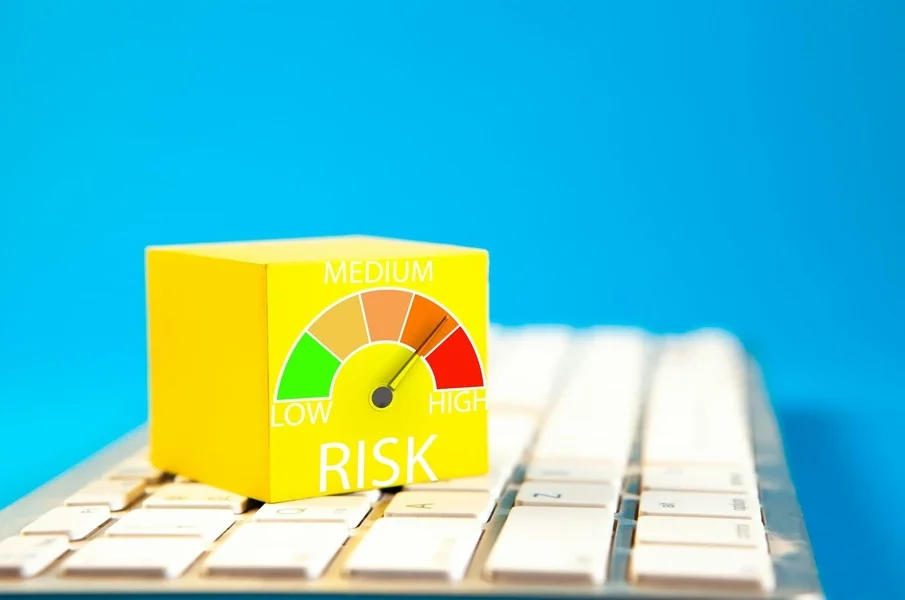
Folding artificial intelligence, robotics, and factory manufacturing into a single investment thesis raises the stakes of being wrong. Alejandro Betancourt has been candid about that trade-off, describing the coming bets on AI, robotics, and manufacturing as high risk as much as high reward. It’s a wager built on the belief that these three sectors won’t develop separately, so the case for one depends on the other two holding up as well.
Most portfolios spread that risk across unrelated positions so a bad call in one sector doesn’t sink the rest. Betancourt treats these three sectors as one connected trade, which means a wrong read on the physical-world AI thesis runs through every linked holding at once rather than staying contained to a single line item. A single miscalculation on timing or technology could touch every position tied to the thesis rather than one isolated stake.
Where the Exposure Concentrates
Concentration risk works differently than a bad stock pick. Robotics, factory technology, and AI feed each other in his thesis: robots need the manufacturing base to build them, and both depend on AI advancing at the pace he expects. If any one leg slows, the other two lose part of the case for holding them. That interdependence is the source of both the upside and the exposure.
That’s a deliberate wager, not an accident of diversification gone wrong. Betancourt has argued publicly that the current digital shift could move faster than the industrial revolution that reshaped the last two centuries, a bet on speed that only pays off if he’s reading the pace correctly. If the shift takes longer than expected, capital committed now sits exposed for longer than a shorter-horizon fund would tolerate.
The Hedge Is Execution, Not Diversification
Rather than spreading capital across unrelated sectors to dilute the risk, Betancourt keeps the thesis concentrated and hands execution risk to specialists. He backs operators already skilled at each piece, robotics and factory work included, instead of spreading his own attention thin across fields he’d have to learn from scratch. Capital stays committed to the thesis while the daily risk of building and running the machines belongs to people who already know how.
That approach draws on a career that already crosses consumer brands, banking, mobility, and technology under O’Hara Administration, a generalist’s range the source material credits with pattern recognition a single-sector investor would miss. O’Hara’s earlier AI position, held from around 2019 for roughly five years, returned close to 20 times its cost by early 2025, an outcome that suggests the pattern recognition has worked before. Whether that same recognition transfers cleanly to robotics and manufacturing is the open question the next few years will answer.